
8 health and wellbeing concerns
31 March 2026
There was a lot of dust in a ticket office. Air conditioning and ventilation maintenance records were compliant and in date. The company arranged for air quality sampling. It showed low contamination—no more than on platforms. An inspection identified dust that may have come through plant room ducts. The operator cleaned the plant room fully and fitted a filter to its grilles to stop dust entering.
Drivers couldn’t adjust the driver’s seat on certain buses fully. The seat angle was uncomfortable, pressing into the back of drivers’ knees for hours, leading to back and knee pain. It could be a distraction. The reporter wanted a cradle attached so the seats could be adjusted forward-down. After consulting with its engineers, the company was going to fit tilting seat cradles during vehicle refurbishment.
A depot’s working practices could cause injuries, said a reporter to CIRAS, who believed no trained first aiders were on site. Areas weren’t kept clean or tidy. People were leaving tools on the floor, risking a slip, trip, or fall. The company responded by briefing everyone’s housekeeping roles and responsibilities. Managers would complete further depot safety tours. There were 10 certified first aiders covering all shifts sufficiently, but their details needed to be updated on a noticeboard.
Men’s staff toilets had been out of use for months because of an unstable floor and leaks. They were told to use the disabled toilet instead, but because there were so many people using that single toilet and because of how infrequently it was cleaned, it wasn’t practical. The company responded that men could also use the two toilets in a mess area. It had instructed the cleaner to spend longer cleaning the disabled toilet. There had been several issues with the men’s toilet building. The water leaks and water damage were fixed first and the company had arranged for a detailed survey. This showed defects with the roof, floor, and a woodworm infestation. Later, the roof was repaired, and areas affected by woodworm were treated or replaced. Months later, the entire floor was replaced, and the walls were fixed and redecorated, so the men’s toilets are now useable and open.
A portable cabin messroom was affecting staff wellbeing. Full bin bags, removed from bins, were left for hours before collection. There were rats, despite efforts to cull them. The running water wasn’t safe to drink or to clean cutlery. There was no fridge to store the bottled water provided, or to store food. The company said it had already noted the need for a fridge and provided one. It reviewed the cleaning standards with its contractors, and it was continuing to work with the facilities team to address the vermin issues. Bin bags would be removed as soon as the bins had been changed. The company added that the portable cabin would be replaced within weeks due to its age. As soon as it had found a suitable alternative site with running water, it would make the change to this site.
Pigeon droppings at a railway station could cause slips, trips and falls. Gulls were also ripping open full rubbish bags, which could attract vermin. In response, the operator asked its contractor to order new rubbish cages to stop gulls removing the bags, and to clear the existing cages quicker until then. It asked train staff to store rubbish bags in the cages, not on the platform. A deep clean removed the droppings. Bird spikes now prevent pigeons from settling, and an area is closed off to stop roosting.
Depot staff weren’t aware of a HAV policy, risk assessment, or procedure for using vibrating tools safely. A reporter to CIRAS said there was no training on the tools, no monitoring of their use, and no medicals for staff at risk of hand-arm vibration syndrome (HAVS). The tools were old and not maintained. The site owner responded that it was already reviewing processes and documents and had updated and briefed out the risk assessment. It had briefed on HAV exposure management to employees who use tools, asking them to complete a tool amnesty (with damaged tools repaired or removed and old tools quarantined), a HAVS initial screening questionnaire, as well as to use the HAV exposure calculator. It was drafting a HAV exposure procedure while appointing a new initial testing supplier. After inspecting the tools, the site owner replaced any that had a higher than acceptable vibration value, or which were old or had no manufacturing data. Staff using vibrating tools would receive specific training. It would refer anyone at risk of HAVS to an occupational health provider.
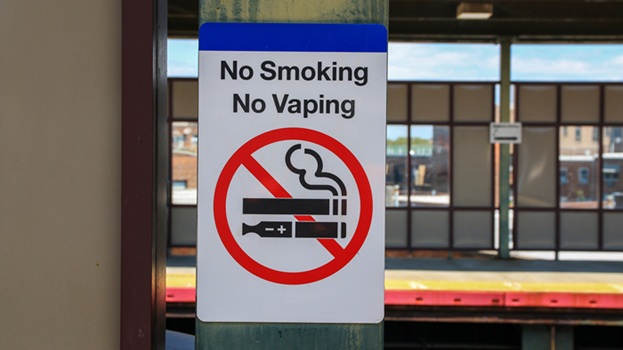
Staff were vaping on trains, potentially damaging colleagues’ health. The operator briefed staff that its policy is they can only smoke or vape in designated station areas. Ignoring this could lead to disciplinary action.