
Case study: drugs and alcohol testing
30 March 2026
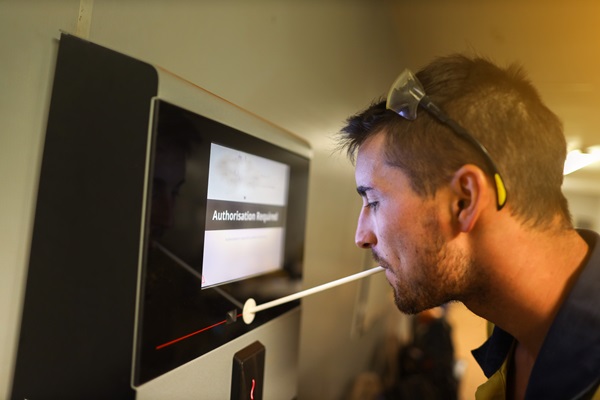
A reporter said Vital Human Resources Limited’s (VHRL) drugs and alcohol (D&A) testing may not be sufficiently rigorous or effective. They had this perception because of how many track workers they believed had been working under the influence.
Staff who'd had drink or drugs before a shift had been designated as controller of site safety (COSS) or a track charge man, and were responsible for others’ safety, they added. This could lead to injury or fatality.
VHRL said it fully supports the Network Rail D&A Standard, Lifesaving Rules, Sentinel Scheme Rules, and other initiatives highlighting D&A risks at work.
Its preventative D&A policy is in accordance with NR/L2/OHS/00120 and the Sentinel Scheme Rules. Its application process includes a full health and medication section and a statement from applicants. Other documents set out rules, expectations, and consequences.
VHRL tells workers of D&A arrangements through briefings, pre–sponsorship, toolbox talks, safety conversations, standdown days, safety forums, and other communications. Before a shift, the COSS, person in charge—and any other supervisor—briefs on D&A obligations. Peers would enforce the Worksafe Procedure if they saw prohibited, intoxicating behaviour.
VHRL's objectives are set with local branches to deliver random unannounced D&A testing, each year screening at least 20% of the sponsored workforce. It did more in 2025’s reporting period.
The branch mentioned worked with the head office to conduct unannounced testing and prepare a briefing plan, including the scenariobased Network Rail presentation, Drugs, Alcohol and Substance Misuse in the Workplace. Workers considered the risk of dealing with resulting loss of work, and the impact on family, bills, pride, mental health, addiction, and future employment. VHRL shared a link to it business–wide. Earlier, VHRL texted its entire workforce to always disclose over–the&ndashcounter medication to their branch.