
Case study: unmanned bus control
31 March 2026
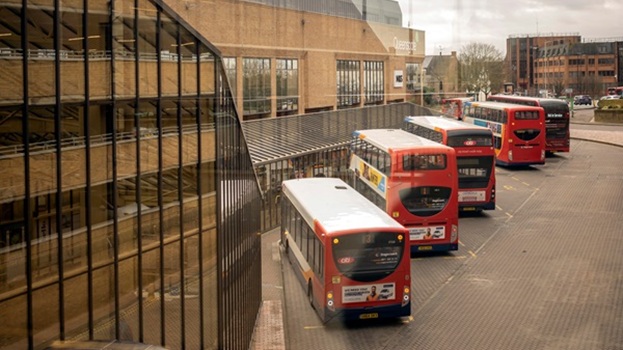
Peterborough bus control room was unattended for at least half an hour, said a reporter to CIRAS. A broadcast alerted drivers but didn’t explain why or what to do in an emergency. It’s not clear if the incident has been reviewed or any learning identified.
Stagecoach said a colleague fell ill on duty. The last trip of the evening service to Ramsey wouldn't have been covered as a result. Given the rural nature of this location and the limited availability of bus services, the duty controller took a bus from the depot to cover it so no customers were stranded.
A broadcast told drivers of this temporary 30-minute absence until a replacement controller arrived, and there was a supporting intranet message. Further information wasn’t disclosed due to its personal medical nature.
This isolated incident arose from good intentions, said Stagecoach. In a similar scenario, if the counter is expected to be unattended for over an hour, an experienced individual such as the operations manager will be called on site.
Upon review, drivers would contact emergency services directly in the event of an emergency, the company said, but this wouldn’t help the driver if there was a mechanical defect or other internal issue. It hadn’t given clear instructions.
There was no formalised process for such situations, so Stagecoach has developed one to give drivers clear, consistent guidance.
The presentation team leader was at the depot on the day. Given their seniority, they may be the best point of contact during such incidents.
In hindsight, they should have been involved in managing communications. This oversight is noted, and resources will be used more effectively.
The learnings and processes have been communicated to all controllers and a notice has been displayed in the control office. Longer-term actions will focus on strengthening contingency planning.