
Case study: unreliable OFF indicator
31 March 2026
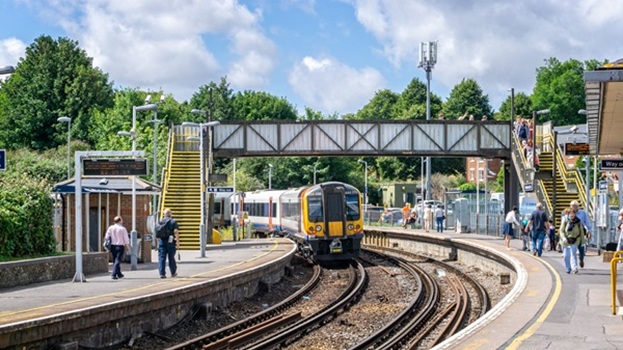
The OFF indicator for the down direction on Dorchester South station platform 2 often fails. At the time of this report, it had been faulty for a month.
An OFF indicator tells train dispatchers about signals so they know whether to start dispatch. When it’s not working, the mitigation is for guards to contact the train driver, who can say what their signal shows (as it’s out of the guard’s sight).
This concerns the reporter. Large gaps between train and platform mean there’s a risk of platform-train interface (PTI) incidents. Contacting the driver introduces risk, as guards must then split their focus between speaking to the driver and staying alert to other risks. Also, when a guard alerts the driver to move the train out of the platform, the signal may have changed. The risk of a ‘start against signal’ SPAD or a PTI incident is stressful.
Earlier faults took a month to fix on average. The reporter was concerned about the indicator’s continued unreliability.
Network Rail said indicator ownership changed last year after a maintenance boundary change. It had modified the indicator to improve reliability and wasn’t aware of any issues since. Prioritising faults for fixing depends on whether it affects train services, the resources available, and planned work priority. There’s no timescale, but Network Rail said it doesn’t expect the fix to take a month.
Access to this indicator is by platform ladder, arriving on a flatbed truck that isn’t always available. Network Rail is considering alternatives to the ladder. It is replacing the indicator with a more reliable LED one in December.