
In focus: driver safety
28 October 2026
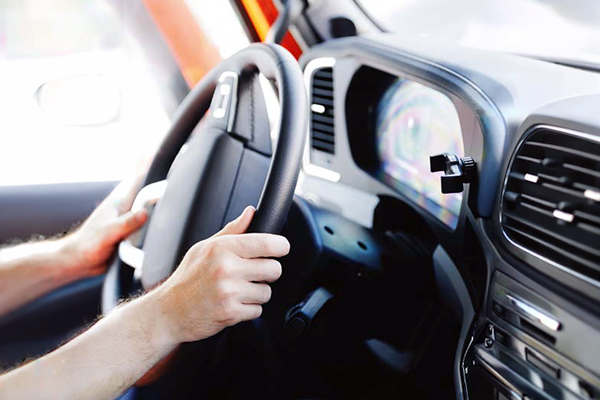
Driving for Better Business (DfBB) is a free National Highways programme offering practical online tools and resources to improve driver safety and reduce risk across rail and road sectors.
Here are key facts from DfBB’s Mythbusters deck of playing cards.
MYTH BUSTER: Hands-free phones are legal in the UK, but not safe. The brain cannot fully process a conversation and the driving environment at the same time. Calls slow reaction times, reduce hazard perception, and limit awareness. Drivers using mobile devices are four times more likely to be involved in a collision. Where possible, switch phones off or use silent driving mode and keep them out of sight.
TAKEAWAY: Even on a legal hands-free call, your reaction time increases significantly. Let calls go to voicemail and return them when safely parked—no conversation is worth a collision.
MYTH BUSTER: Getting home matters, but not at any cost. Fatigue slows reactions, affects judgement and can cause microsleeps. At 60 mph, two seconds asleep means travelling 54 metres unconscious. If you are too tired to drive safely, stop and use overnight accommodation where available. 'Pushing on' puts you and others at serious risk.
TAKEAWAY: If you are too tired to drive safely, stopping is the right decision. No destination is worth a fatal collision.
MYTH BUSTER: Driving for work can affect your health. Long hours behind the wheel increase pressure on the spine and are linked to obesity, heart problems, high blood pressure, and diabetes. Small changes help: adjust your seat, use back support, choose healthier food, and build short walks into breaks.
TAKEAWAY: Take physical health as seriously as driving. Plan breaks, meals, and movement—even 10 minutes of activity on journey days helps.
MYTH BUSTER: In-cab cameras are not just about checking behaviour. They can protect drivers from false accusations, fraudulent claims and unfair blame after collisions. Footage can provide vital evidence and highlight risky habits before they cause harm.
TAKEAWAY: Camera footage is more likely to protect you than catch you out. For professional drivers, it can be your best witness.
MYTH BUSTER: Coffee will not cure a hangover. Food, sleep, and fresh air will not remove alcohol from your system; only time will. Your liver processes alcohol slowly, so you may still be over the legal limit the morning after, even if you feel fine.
TAKEAWAY: Only time clears alcohol. If you drank the night before, check honestly whether enough hours have passed. Feeling fine is not the same as being legal or safe.
MYTH BUSTER: Motorways are the UK’s safest roads per mile, while around 60% of road deaths occur on rural roads. Rural A roads can be hazardous due to high speeds, narrow carriageways, hidden junctions, and vulnerable road users. Journey planning should consider safety, not just distance or convenience.
TAKEAWAY: Don’t avoid motorways assuming they’re more dangerous; alternative rural roads may carry greater risk.
MYTH BUSTER: Fatigue is more than feeling sleepy. It can be physical, mental, or emotional, and can build over several days of poor rest. You may feel alert while reaction times and decision-making are already impaired. Microsleeps can also happen without warning.
TAKEAWAY: Fatigue is not just sleepiness. If concentration slips or reactions slow, stop.
MYTH BUSTER: Familiar roads can still catch you out. Knowing a route well can lead to complacency and reduced attention. Drivers may miss unexpected hazards such as cyclists, parked vehicles, roadworks, or changed conditions. Stay alert on every journey because roads, traffic and other road users are never completely predictable.
TAKEAWAY: Familiarity breeds complacency. Drive every route as if conditions could change—because they can and do.
MYTH BUSTER: Glasses do not always mean your eyesight is safe for driving. Prescriptions change and some problems may not be fully corrected. Drivers must still be able to read a number plate at 20 metres in good daylight. Regular eye tests are essential, and any licence requirement to wear corrective lenses must be followed.
TAKEAWAY: Corrective lenses do not automatically mean you meet the driving eyesight standard. Have an eye test at least every two years and drive with up-to-date correction.
Explore DfBB Driving for Work Mythbusters at: https://www.drivingforbetterbusiness.com/mythbusters/
Download the Mythbuster playing card set – with training and discussion guide – here: https://www.drivingforbetterbusiness.com/mythbusters/download-playing-cards-and-discussion-guide/