
Research investigates the reporting gap and barriers to reporting
27 May 2026
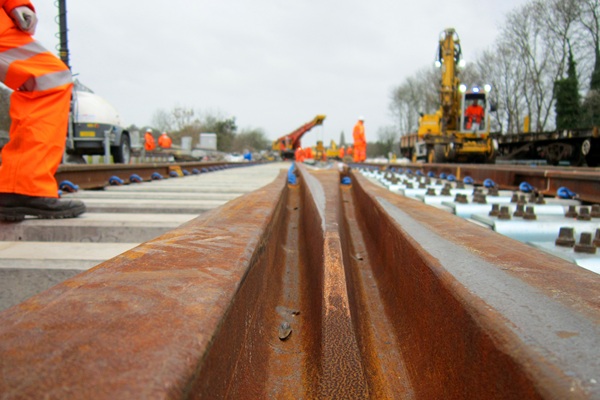
The Rail Safety and Standards Board (RSSB) developed this research project, improving workforce-related reporting practice (T1323), published in early 2026. It aimed to understand what prevents track workers from reporting safety concerns using available reporting channels, and what would encourage them.
The resulting guidance suggests practical steps organisations can take to foster a trusting, safe listening culture that leads to more safety concerns being reported. We’ve included the headline findings in this blog, along with links to the good practice guidance itself.
The Infrastructure Safety Leadership Group (ISLG) requested the research after hearing that track workers face barriers to using reporting channels. ISLG is a forum of rail senior leaders who work together to improve health, safety, and sustainability. They were keen to gather evidence and data to either support or challenge what they had heard.
CIRAS’ reporting analyst Helen Redman helped the RSSB team to steer the research and review the findings.
As the project summary explains, ‘Under-reporting of safety concerns can create a distorted picture of safety, concealing underlying or emerging risks and fostering a false sense of security. An environment that appears to be low risk may actually be experiencing the quiet build-up to a significant accident through, for example, small deviations, workarounds, or deteriorating conditions that accumulate gradually.
‘When safety concerns go unreported, organisations lose insight into how systems adapt, degrade, or become vulnerable over time.’
CIRAS is quoted: ‘Sharing safety concerns means that companies will be aware of any issues, so they can investigate and can act on them.’
A range of reasons for why reporting matters are explored further in the guidance, including:
The research was part of the RSSB research programme. The research team engaged with track workers and safety managers from across British rail through focus groups and one-to-one interviews. Those interviewed were from infrastructure managers, contractors, or agencies.
Participants were asked if they had ever reported a safety concern before. The findings indicated that 85% of participants had, while the remaining 15% hadn’t. The safety concerns they’d most often reported included (but weren’t limited to):
The question sets followed the COM-B model*. This model suggests that behaviour (B) arises from how capability (C), opportunity (O), and motivation (M) interact. The factors influencing whether someone reports are categorised in this way. You can see further information and detail in the report documents.
Capability: knowledge, skills, resilience, and the abilities a track worker needs to engage in safety reporting.
Opportunity: external factors that influence reporting—whether a track worker has the resources, tools, and infrastructure to report—and organisational factors such as cultural norms, peer influences, and social pressure.
Motivation: internal processes that influence track worker reporting behaviours, for example, an individual’s decision making, planning, perception of benefit, beliefs, goals, habits, emotions, and impulses.
The RSSB team analysed the findings using a model called the behaviour change wheel. More information and a visual of this is available in the T1323 project documents.
The good practice guide document invites managers to take a structured, reflective approach when reviewing it, to prioritise actions. First, take a moment to consider the barriers to reporting that the document outlines in pages 6 to 10, and which of these feel the most relevant or pressing in your own work context, to think about where change is most needed. Then, review the interventions on pages 12 to 17 alongside the implementation guidance on the final page.The headings for the more detailed explanations of suggested interventions are:
To understand what these interventions really mean and include, it’s important to read the good practice guidance (use your CIRAS website login details to login) itself.
As the project outlines: ‘Simplifying reporting systems, providing feedback, and offering targeted training can reduce confusion and align expectations. Enhancing psychological safety and recognising reporting helps embed it into everyday practice and culture.’
Look out for a future CIRAS webinar that will take a closer look at the research and how the findings can help your organisation.
T1323 guidance and technical report on improving workforce-related reporting practice [RSSB research catalogue – use your CIRAS website login details to log in]
What stops people reporting safety concerns? [our article in Rail Professional magazine May 2026]
New guidance to encourage more reporting [our article in Rail Professional magazine June 2026]
Raise a concern confidentially using CIRAS
How confidential reporting helps build a mature safety culture
New research on light rail safety reporting: what people say