Safety day: Environmental Forestry Ltd
28 September 2026
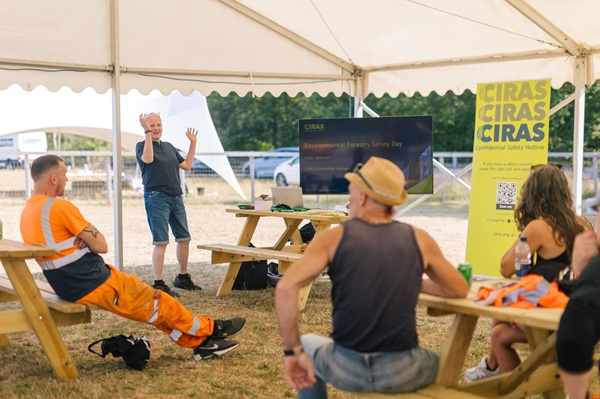
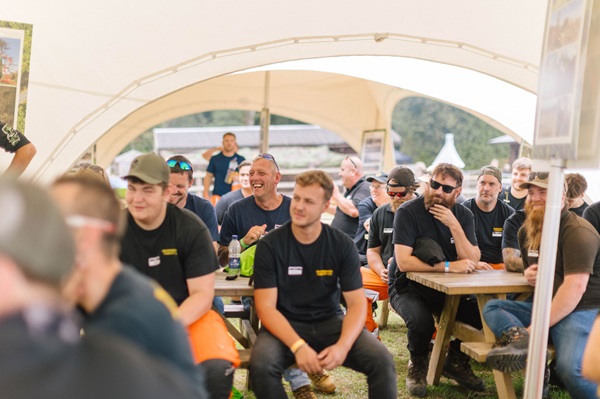
I was fortunate to be invited again to join Environmental Forestry Limited (EFL) for their annual safety day. This is the third year I have been invited to attend this excellent event.
The event brings together staff from across EFL, their contractors, supply chain partners, clients such as Network Rail and industry colleagues. It is a great opportunity to socialise and catch up, while also revisiting safety topics, focus on key skills and see demonstrations of equipment from suppliers.
Attending safety days and similar events, and having the opportunity to talk with our members and their teams, is one of the highlights of my job. It gives me insights into the reality of our members’ working days and the interactions between all the different parties.
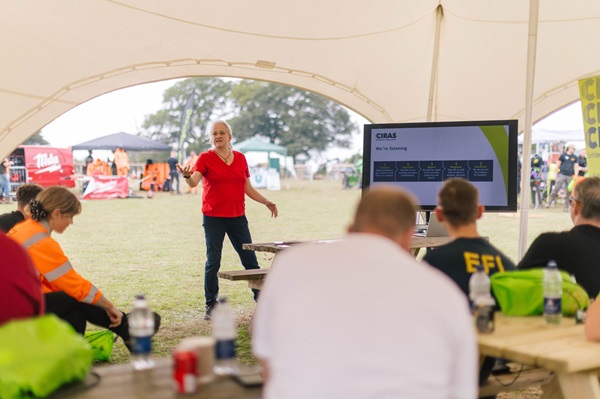
Often, members see CIRAS as a one-off update or briefing, and don’t feel it needs to be repeated on a regular basis. I believe that raising awareness of CIRAS and discussing reporting options alongside the types of issues and hazards that staff come across, is a conversation that is worth repeating. There may also be new attendees who haven’t heard about us before. It is a challenge to make sure that I am not saying the same thing each time. I have to refresh the content, adapt it to the environment, and keep it relevant and interesting for all attendees.
This year, EFL’s safety day was during Rail Industry Road Safety Week. From conversations with staff in previous years, I was aware that most staff spend a lot of time driving to and from site, often without much sleep. The theme for Rail Industry Road Safety Week was Safe Vehicle. I used its resources to start conversations around how staff check their vehicles, whether they are aware of their responsibilities, and potential repercussions if they knowingly drive a vehicle that isn’t roadworthy.
Most staff are aware of what they need to do, and they had good processes in place to manage vehicle defects and repairs. Some were surprised they could receive a £2,500 fine, three penalty points and a possible ban if they are driving a vehicle that isn’t safe. I also used some of the information from Rail Safety and Standard’s Boards RED 74 - Road Traffic Collisions video (RSSB login needed) about what to do in the event of a road traffic collision.
As fatigue commonly impacts driving, I borrowed some goggles from Network Rail that imitate the effects of being awake for 17 hours or having a blood alcohol count of 0.04-0.06%. This is just below the legal limit of 0.08%. All attendees tried on the goggles to see how it made them feel. This was an interactive way of getting people to see the impact of driving after a long day, or how one or two alcoholic drinks impacts their vision and how they feel. Putting on the goggles immediately makes you feel dizzy and disorientated, impacting your balance. It was an eye opener and a fun way to get people involved and open some discussions. There were a few challenges to see if anyone could run or walk a significant distance wearing the googles too, safely.
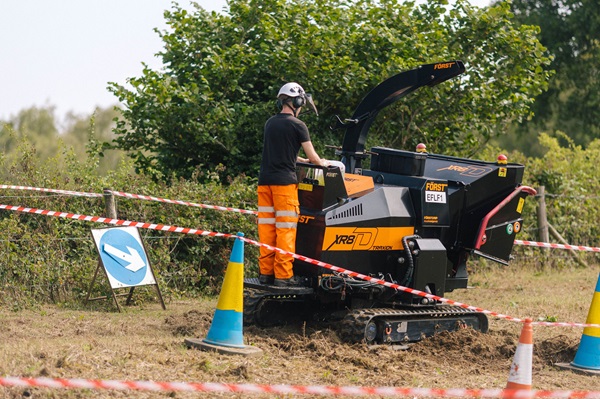
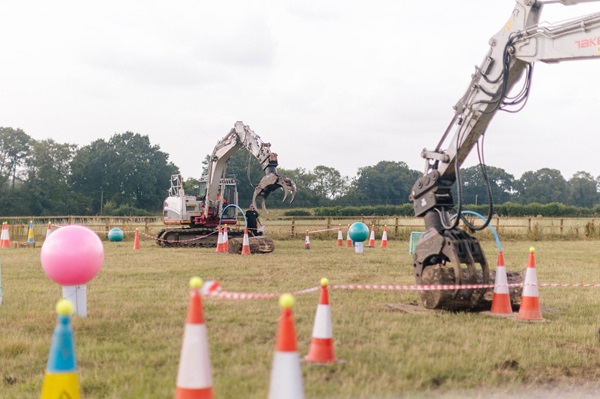
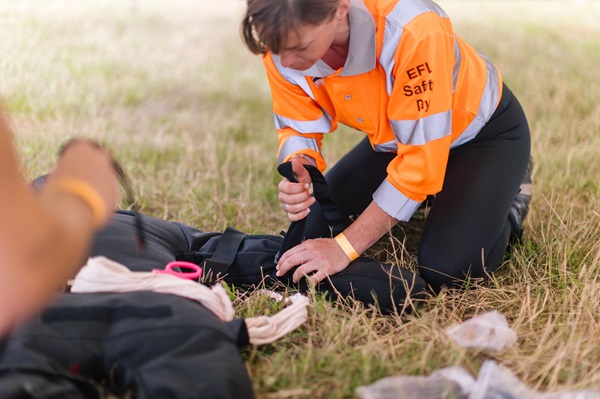
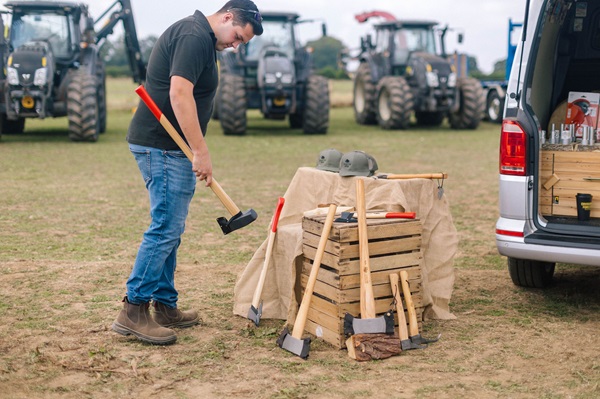
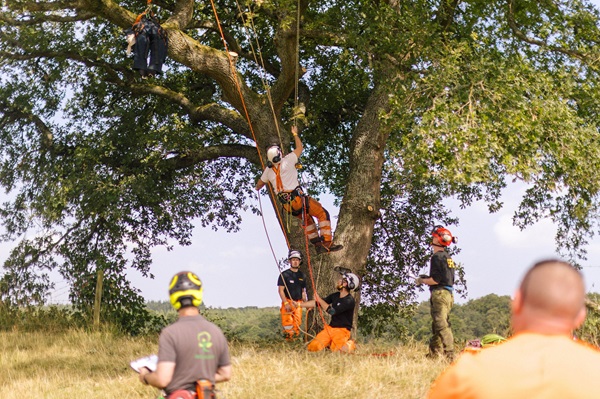
Other talks and demonstrations included climbing, first aid, supplier stands, plant machinery skills and an excellent talk by MIND.
If you are hosting a safety day, event, conference or any other event, please invite us along.
See who your stakeholder manager is in the MyCIRAS members' area of the website (click on the link in the top right-hand corner to access this when you are logged in). You can also email enquiries@ciras.org.uk.
See below for images from last year's event.